
Pickleball vs. Padel: Trend sport comparison
- Pickleball Austria
- 24. Juli 2025
- 4 Min. Lesezeit

Aktualisiert: 22. Feb.
Are you looking for a sport that's easy to learn but difficult to master? Then pickleball might be just the thing for you! More and more Austrians are discovering the joy of new trend sports like pickleball and padel. Both sports are enjoying growing popularity and offer an exciting alternative to traditional tennis. But what exactly differentiates these sports from each other, and which one is better for you? Find out why this trend sport might be exactly what you've been looking for!
Quick verdict:
• Want to start fast, with low technical barriers and lots of fun? → Pickleball.
• Want wall-play, more tactics, and higher intensity? → Padel.
• Want the classic, athletic option and enjoy singles? → Tennis.
Below, we compare Pickleball vs. Padel (and Tennis) across rules, equipment, costs, and playing feel.
What is pickleball?
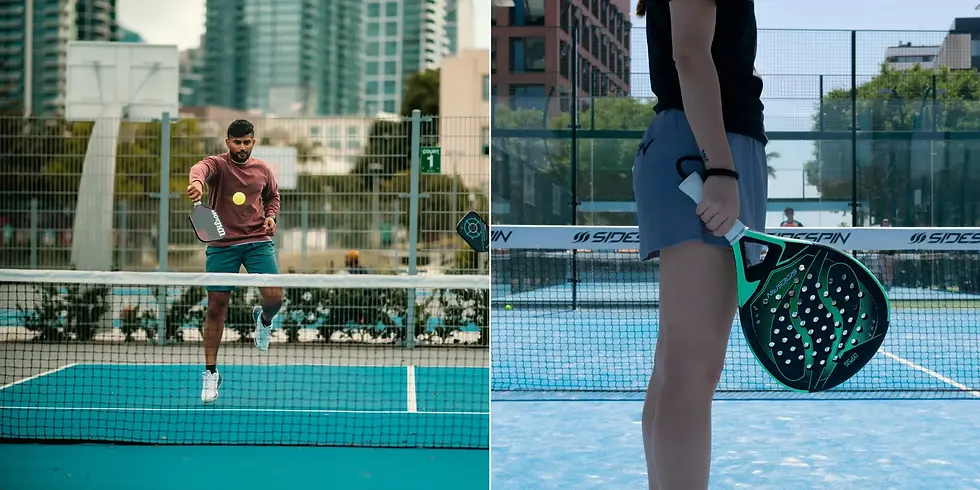
Pickleball originated in the USA in the 1960s and combines elements of tennis, badminton, and table tennis. It is played on a 13.4 x 6.1 m court, similar to a mini tennis court. The ball, a lightweight plastic ball with holes, is hit over a net with special paddles. A special feature is the so-called "kitchen" zone near the net, which facilitates strategic rallies.
The required equipment is simple and inexpensive: a paddle, ball, and net are affordable for everyone. This makes pickleball particularly accessible and attractive for beginners, families, and older players. The sport is social, fun, and easy to learn—perfect for an enjoyable and active leisure activity.
Pickleball rules — 3 key basics:
Serve: Underhand, served diagonally, with contact behind the baseline.
Double Bounce Rule: After the serve, the ball must bounce once on each side before volleys are allowed.
The Kitchen (Non-Volley Zone): A zone near the net where you cannot volley (hit the ball out of the air), it adds strategy and prevents ‘smash-fests’ at the net. More infos to the rules you can find here.
Result: Longer rallies, more control, and a very social, welcoming game.

What is Padel?
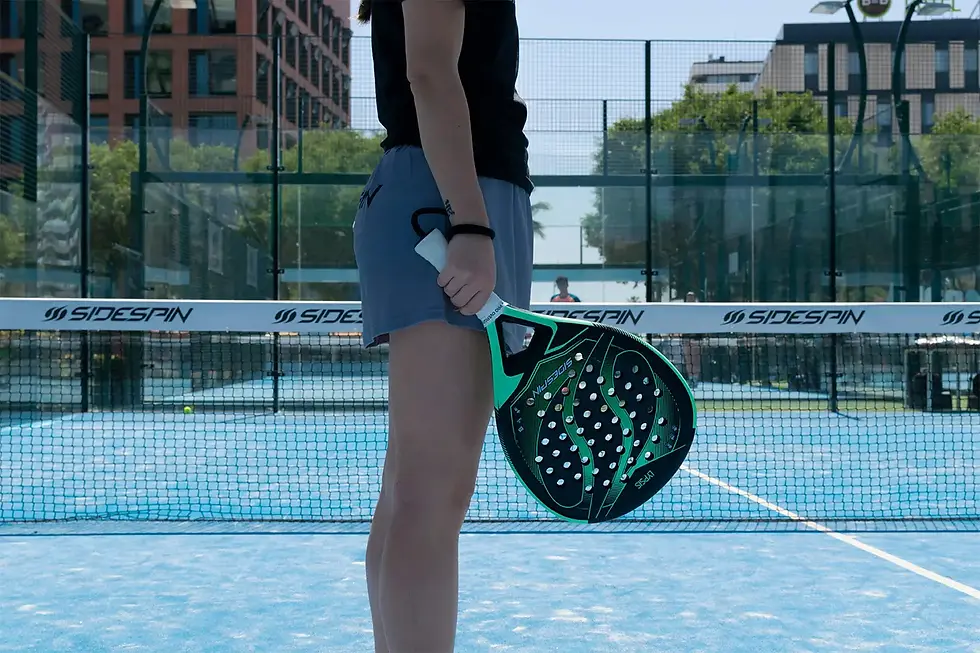
Padel originated in Mexico and is particularly popular in Spain and South America. The sport has also become increasingly popular in Austria in recent years . It is played on a 20 x 10 m court surrounded by glass walls and fences. These walls can be actively involved in the game, similar to squash. This adds a dynamic and tactical element to the game.
Padel is played with special, slightly thicker rackets and tennis-like balls. It combines the fun of doubles with tactical depth and physical intensity. Players must react quickly and plan strategically how to optimally use the walls to score points. This makes padel particularly attractive for athletic, dynamic players who enjoy a strategic challenge.
Padel rules — quick overview:
Serve: Underhand after the bounce, typically from around hip height which is easier to start than a tennis serve.
Wall play: After the bounce, the ball can hit the glass wall and remain in play. This creates unique angles and tactical choices.
Doubles focus: Padel is almost always played as doubles. Teamwork is a big part of the fun.
Comparison with tennis
Tennis is probably the most well-known racket sport. It's played on a larger court (23.77 x 8.23 m for singles), and equipment (rackets, tennis balls) is widely available. However, tennis is often more difficult to learn and more physically demanding than pickleball and padel.
Criterion | Pickleball | Padel | Tennis |
Playing field size | 13.4 x 6.1 m | 20 x 10 m | 23.77 x 8.23 m |
Equipment | Paddle, plastic ball | Padel racket, similar to a tennis ball | Tennis racket, felt ball |
Learning curve | Simply | Medium | Medium to difficult |
Feeling of the game | Social, fun | Dynamic, tactical | Intense, athletic |
Entry cost | Low to moderate | Moderate | Moderate |
Best for | Families, beginners, switchers | Dynamic players, team fans | Athletic players, singles, technique lovers |
Direct comparison: Pickleball vs. Padel
Both sports have clear advantages. Pickleball is characterized by simple rules and quick learning, making it ideal for beginners, families, and older athletes. The equipment is cheaper and more readily available than for padel. The social aspect is very important, creating a relaxed atmosphere.
Padel, on the other hand, has more complex rules and requires a more strategic approach. The game is more physically intensive and well-suited to athletic players seeking dynamism and a challenge. However, the equipment is somewhat more expensive, and courts with specialized infrastructure are less common.
Key takeaway: If your priority is getting into real rallies quickly, Pickleball vs. Padel often favors Pickleball at first. Padel’s wall-play takes a bit more time to master.
Why Pickleball Could Be the Right Choice
Pickleball boasts clear advantages: easy learning, low entry costs, high fun factor, and a strong social component. The growing community in Austria ensures that you'll quickly find connections – whether at an event or in local groups.
Curious about pickleball? Find a pickleball game near you !
Conclusion
Pickleball offers a unique blend of fun, community, and accessibility. It's the ideal choice if you're looking for a trendy sport that's easy to learn yet exciting. Give pickleball a try! Visit https://www.pickleballaustria.org/ and become part of a great community!